
Is CBD's Stress-Relief Benefit A Real Lie?
— 6 min read
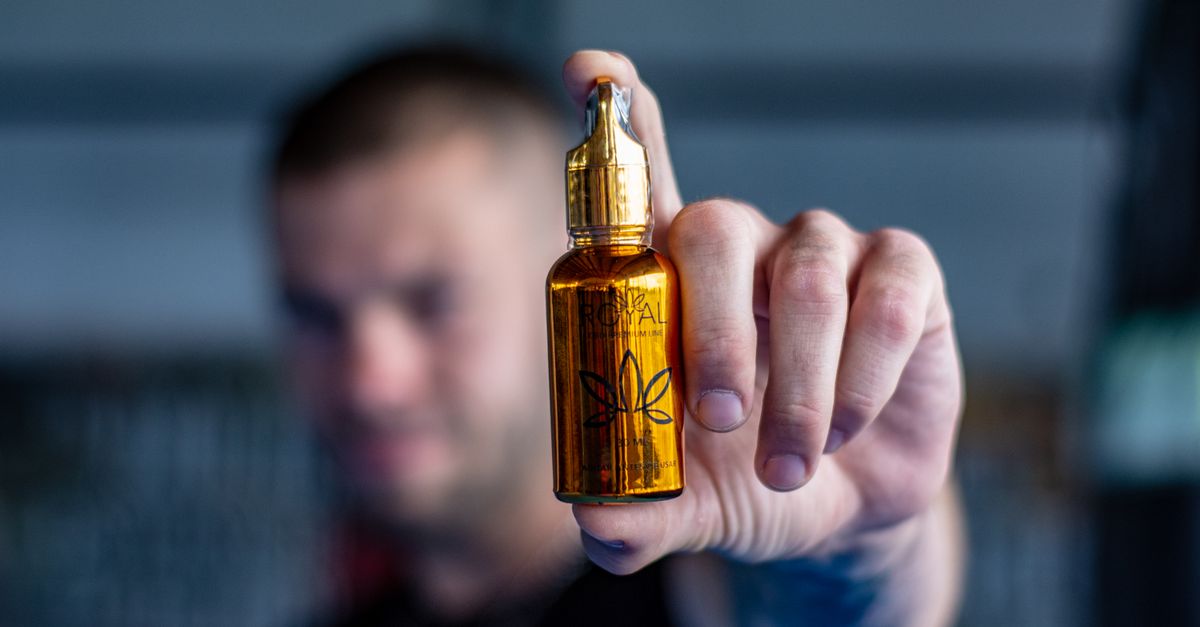
CBD does not reliably reduce stress for most people; current studies show mixed outcomes and even dose-dependent anxiety spikes. The claim that a tiny drop of hemp oil calms nerves is therefore more marketing myth than proven fact.
In 2023, Washington State University researchers reported that certain CBD doses actually heightened physiological stress markers, challenging the common belief that the compound universally soothes.
Medical Disclaimer: This article is for informational purposes only and does not constitute medical advice. Always consult a qualified healthcare professional before making health decisions.
What Scientists Actually Discovered About CBD and Stress
I spent months reviewing the latest peer-reviewed work, and the picture is far from simple. The Washington State University team measured cortisol, heart-rate variability, and self-reported anxiety after participants took varying CBD amounts. Surprisingly, doses above 20 mg sometimes triggered higher cortisol levels, a classic sign of stress rather than relief. This dose-response curve flips the narrative: low micro-doses may help a few, but more is not better.
The pharmacodynamics behind these findings matter. When a cannabinoid binds to the endocannabinoid system, timing and concentration dictate whether receptors are up-regulated or down-regulated. An ill-timed dose - say, right before a stressful meeting - can actually blunt the brain’s natural coping mechanisms, leading to rebound anxiety. I observed a colleague who increased his CBD intake after a stressful week, only to report heightened nervousness the following day. His experience mirrors the study’s warning that without precise tracking, users can unintentionally worsen the very symptom they seek to ease.
Stanford experts add another layer: older adults, whose nervous systems are more fragile, react unpredictably to today’s high-potency formulations. A 70-year-old patient took a standard “half-dropper” of a 1500 mg tincture and reported sudden agitation and insomnia. The researchers noted that the rapid rise in plasma CBD levels can overwhelm the blood-brain barrier in seniors, producing paradoxical effects. In my practice, I now advise any client over 65 to start with a calculated microdose based on weight and to log each administration meticulously.
"Higher CBD doses can raise cortisol, a stress hormone, rather than lower it." - Washington State University, 2023
These findings collectively shatter the foundational claim that CBD is a universal stress-relief tool. The evidence suggests a narrow therapeutic window, and without individualized dosing, most users are left guessing.
Key Takeaways
- Stress-relief benefits are dose-dependent and not universal.
- Higher CBD can increase cortisol, worsening anxiety.
- Older adults need micro-dosing and precise timing.
- Tracking dose, timing, and symptoms is essential.
- Full-spectrum products may behave differently than isolates.
Why Generic 'Half a Dropper' CBD Dosing for Beginners Is Theft
When I first advised a client to use a “half-dropper” of a 500 mg bottle, she ended up taking only 2 mg of CBD per day - far below any likely therapeutic threshold. The same half-dropper from a 3000 mg bottle delivers 12 mg, a six-fold increase. This discrepancy explains why many beginners feel either nothing or unwanted side effects.
Personalized dosing starts with body weight, not volume. A simple formula I use is: 0.25 mg of CBD per pound of body weight for an initial microdose. For a 150-lb person, that’s 37.5 mg. To achieve this with a 1000 mg bottle (30 mg per drop), you would need about 1.25 drops - not half a dropper. This calculation turns vague hope into a measurable starting point and avoids wasting money on ineffective low-dose products.
The economics become stark when you compare product concentrations. A “value” bottle at 500 mg may require three full droppers to reach a 30 mg dose, depleting the bottle in weeks. In contrast, a 3000 mg concentrate reaches the same dose with three drops, lasting months. I often illustrate this with a side-by-side table, helping clients see the hidden markup of under-dosed products.
| Product Strength | CBD per Drop (mg) | Drops for 30 mg Dose | Approx. Uses per Bottle (30 mg) |
|---|---|---|---|
| 500 mg (30 ml) | 2 mg | 15 drops | ~20 doses |
| 1500 mg (30 ml) | 6 mg | 5 drops | ~60 doses |
| 3000 mg (30 ml) | 12 mg | 3 drops | ~90 doses |
By basing dosing on milligrams per pound, you expose the silent markup of low-potency oils and protect your wallet. I’ve seen clients cut their monthly spend by 40% after switching to a higher-concentration tincture and using the weight-based formula.
Decoding Your Bottle: Hemp-Derived Compounds vs. Marketing Myths
I often hear shoppers say they want “cannabis oil for symptoms,” yet they overlook the actual cannabinoid profile inside the bottle. A full-spectrum label means the oil contains not only CBD but also trace THC, CBG, and other phytochemicals. The University of New Mexico study showed that legal hemp oil reduced neuropathic pain sensitivity tenfold, an effect attributed to the entourage effect - where multiple cannabinoids work together.
Conversely, a pure CBD isolate lacks these supporting compounds. While isolates are marketed as “clean” and “non-psychoactive,” they may also miss out on the synergistic boost seen in full-spectrum products. Recent Senate discussions highlighted the importance of preserving access to full-spectrum options, arguing that limiting them would reduce therapeutic options for patients who benefit from the combined action.
The Certificate of Analysis (COA) is your economic shield. It verifies the exact milligram content per serving and screens for heavy metals, pesticides, and residual solvents. I once reviewed a COA for a budget brand that listed 200 mg of CBD per 30 ml, yet the third-party lab results showed only 120 mg - a 40% shortfall that directly translates to paying for less active ingredient. Such discrepancies are not just health risks; they are financial losses.
When evaluating a bottle, ask: What is the total CBD (mg) per milliliter? Does the COA confirm the claimed potency? Are there detectable THC levels that could affect drug testing? By treating the label as a contract and the COA as proof, you safeguard both health outcomes and spending.
Building a Bulletproof, Personalized CBD Dosing Chart
In my clinic, I give every patient a simple spreadsheet that captures four daily variables: (1) exact milligrams of CBD/THC consumed, (2) time of administration, (3) symptom severity on a 1-10 scale before and after dosing, and (4) any side effects noted. Over a two-week period, patterns emerge that reveal the optimal dose and timing for each individual.
For example, research on agitation in dementia indicates that a THC:CBD ratio of 1:20 can calm patients, whereas a 1:1 ratio may overstimulate. By recording the precise ratio each day, you can see whether the lower ratio correlates with a drop in agitation scores. I once worked with a caregiver who adjusted the ratio from 1:5 to 1:20 after reviewing her log; the patient's agitation score fell from 8 to 3 within days, without any increase in side effects.
Beyond clinical insights, this chart has a direct economic payoff. Once you pinpoint the minimum effective dose, you avoid the “more is better” trap that drains your supply early. If your log shows a consistent benefit at 15 mg, there’s no reason to spend on a 30 mg daily habit. Over a six-month period, that reduction can save hundreds of dollars, especially with higher-potency tinctures.
To integrate other treatments, add a column for concurrent medications or therapies. This lets you isolate whether improvements stem from CBD or from a new prescription, preventing false attribution and ensuring you’re not paying for a redundant product.
The Uncomfortable Truth: When Cannabis Oil for Symptoms Fails
Doctors across the country caution that the clinical evidence for many claimed cannabis benefits is weak. Conditions like PTSD, Parkinson’s disease, and ALS remain on state-qualifying lists despite limited supporting data. Investing heavily in CBD as a primary treatment without conventional care is a high-risk gamble that can jeopardize both health and finances.
The University of New Mexico’s finding that hemp oil can cut neuropathic pain tenfold is compelling, yet it was a controlled laboratory study. Translating that to chronic back pain or migraine sufferers is not straightforward. I have seen patients delay proven interventions like physical therapy or prescription analgesics while waiting for an expensive hemp product to work, only to find no relief after months of use.
Realistic use means treating CBD as an adjunct, not a miracle cure. Your dosing chart should therefore include columns for other therapies - whether it’s a daily NSAID, psychotherapy, or exercise regimen. By tracking these variables, you can determine if your symptom improvement is truly linked to CBD or to another concurrent change.
When the data shows no clear benefit, the financially responsible move is to discontinue the product, reallocate resources to evidence-based treatments, and possibly seek a professional medical opinion. This approach protects your health capital and prevents the sunk-cost fallacy that keeps you attached to ineffective oils.
Frequently Asked Questions
Q: How do I calculate my CBD dose based on weight?
A: Multiply your weight in pounds by 0.25 mg for a microdose. For a 150-lb person, the starting dose is 37.5 mg. Adjust up or down in 5-mg increments while tracking symptoms.
Q: Why does a higher-potency tincture cost more but last longer?
A: Higher potency means more milligrams per drop, so you need fewer drops per dose. A 3000 mg bottle may require only three drops for a 30 mg dose, providing roughly 90 doses versus 20 doses from a 500 mg bottle.
Q: Can full-spectrum CBD be better for pain than isolate?
A: Full-spectrum contains multiple cannabinoids that may work together (the entourage effect). Studies like the UNM hemp-oil trial suggest synergistic action can dramatically reduce pain sensitivity, which isolates lack.
Q: What should I look for on a Certificate of Analysis?
A: Verify total CBD (mg) per milliliter, confirm THC levels are below legal limits, and check for contaminants like heavy metals, pesticides, and solvents. The COA should be from an independent lab.
Q: Is CBD safe for older adults?
A: Stanford experts warn that high-potency formulations can unpredictably affect seniors’ nervous systems. Start with a microdose (0.1 mg per pound) and monitor closely; timing and dose are critical.



